
Section 01
Brief Introduction of Frequency Conversion
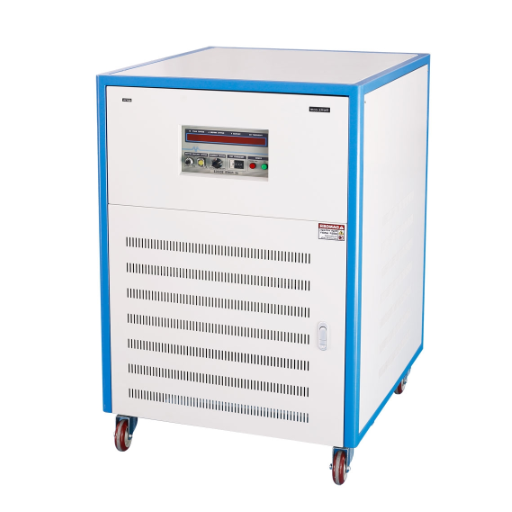
Frequency conversion is a process in which the voltage frequency from the power source is altered in order to meet the requirements of different equipment or devices. This is done using devices like frequency inverters which change the frequency at the input (for instance, 50Hz or 60Hz) to an output frequency that is suitable. Frequency converters are used when working with equipment designed for use according to a certain frequency in a region, but they have different frequencies in their use and prevents conflict or malfunction, and there is the risk of damage to the equipment.
What is Frequency Conversion?
Frequency conversion, in simple terms, is the process of adjusting an electrical power source to meet the operational needs of connected hardware. In other words, whenever the electrical system’s frequency does not match the required frequency for some other equipment, the technique of frequency conversion is used. Today’s frequency conversion techniques are based on the use of modern power electronic systems such as variable-frequency drives (VFD) and solid-state frequency converters, which are capable of creating any desired frequency.
For example, in civil or military aviation, often the aircraft equipment uses the frequency of 400Hz which leads to the need of converters installed in them in case of their compatibility with the ground power systems of 50Hz or 60Hz. In like manner, there exist several types of industrial equipment and medical devices which are supposed to be operated on the assigned frequencies. These machines require essential conversion so that they are enabled to perform their functions without any undesired effects such as heating up, performing inefficiently, or generating electromagnetic fields. Introduction of frequency conversion makes the product design global enabling high levels of performance and reliability in different environments.
Importance of Frequency in Electrical Equipment
Frequency influences electrical equipment in several ways, first it determines which level of performance, efficiency and durability the equipment will meet, other factors being unchanged. Frequency range envelope changes may result in performance strangeness in machines like synchronous machines and transformers where input frequency must be maintained at a constant rate to meet the performance requirements of such machines. For example, a rise in frequency can increase the eddy current losses and raise the temperature further in the windings in the case of transformers, which in turn affect the performance and manufacturers the insulation material to lose its properties much earlier.
On the contrary, a reduction in frequency often leads to a decrease in speed and torque, which may affect some of the devices such as motors, which require precision in mechanical outputs. Yet, the same frequency control is used to manage the performance of power electronic devices, more commonly known as the inverters and the rectifiers. In other words, power electronic devices control the operation of appliances and equipment. To this end, proper control of the frequency becomes a significant necessity for the purposes of such improvement measures as system optimization and in order to prevent premature wear of mechanical structures.
Overview of 60Hz vs 50Hz
| Parameter | 60Hz | 50Hz |
|---|---|---|
| Standard Regions | North America, parts of Japan | Europe, Asia, Africa |
| Frequency (Hz) | 60 Hertz | 50 Hertz |
| Transmission Loss | Lower due to higher frequency | Higher due to lower frequency |
| Equipment Size | Typically smaller | Typically larger |
| Rotational Speed | Higher for motors and generators | Lower for motors and generators |
| Power Availability | Higher efficiency at the same voltage | Lower efficiency at the same voltage |
| Market Usage | Used in roughly 25% of the world | Used in roughly 75% of the world |
| Transformer Design | Smaller and lighter for 60Hz systems | Larger and heavier for 50Hz systems |
| Applicability | Preferred for high-capacity industries | Suited for general residential use |
| Regional Adaptation | Custom converters may be required | Converters may also be needed |
Section 02
Technical Challenges in Frequency Conversion
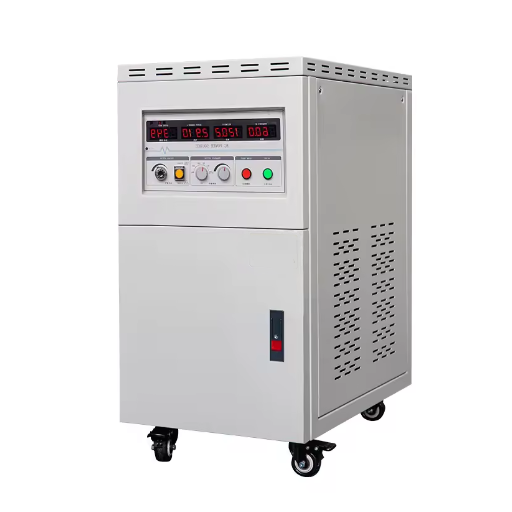
Frequency conversion involves several technical challenges that must be addressed to ensure reliability and efficiency:
- 1
Heat Generation
The process is closely related to making of finer nucleated solids and often generates a large amount of heat during the conversion making equipment age faster. Cooling devices are of essence in such a set-up. - 2
Efficiency Loss
Most inverters have efficiency loss when energy is converted from one frequency to the other. They further lead to increased operational cost in energy-intensive applications. - 3
Size and Weight
Concerning frequency converters especially in big rated systems, they are usually of large and also heavy character, which makes it more hard to slot them into the existing system. - 4
Harmonic Distortion
Another problem that arises due to the conversion is the harmonic distortion in the power system which may cause sufferance of sensitive electronic devices from operation and necessitate auxiliary filtering. - 5
Cost of Equipment
The achievement of a suitable output regarding the particularities of the advanced converters is generally pricy, further complicating the mass application of such devices, especially in low-cost environments. - 6
Custom Requirements
Certifications indicating compliance to regulations which are usually very strict, and the high ambitions of the companies, make it almost impossible for a product to get into the market.
It is of paramount importance to engage in meticulous planning, put in place strong foundations, and capitalize on high-end current systems to provide respite from the inconveniences incurred as well as optimize performance.
Potential Issues with 60Hz Equipment on 50Hz Supply
When 50Hz power supply is used to run 60Hz equipment, some technical and performance issues related to the whole system may crop up. Long Island Transformer offers a solution for the 60Hz to 50Hz problem. The transformer features a large frame size which allows clearance, as the operating frequency is decreased in getting a 60Hz motor to run on 50Hz. This method is highly effective and the results have shown that it is vital to help mitigate core loss. Decreasing vibrations helps the avoidance of back and forth movement of the magnetic circuit of the steel. There is an option of to push or pull this magnetic circuit of steel and cause it to have a flexible or rotary motion to it in operation.
In addition, electrical circuits intended for 60Hz frequency and power supplies may pose certain risks and challenges with 50Hz input as they tend to cause distortion in the form of harmonies. This mismatch may lead to fuel inadequacy, current exceeds and more over internal components may collapse in some instances. Moreover, the reduced frequency also affects the amount of a magnetic field found in such components, thus there is a risk of the magnetic core being overtly saturated. Occupancy of the magnetic core below its critical limit may affect the proper operation of the devices employed in the power supply and may even result in permanent injury of the device. In the case of warranty issues, there is a problem of meeting the certification because the equipment is certified for its original condition.
Voltage Compatibility: 120V and 220V Considerations
Providing the right voltage for any given power situation is a paramount consideration for the best possible performance and user safety for all electrical equipment in any country. The usual voltage in America and some other territories is rated at 120V, while the common norms in most of Europe, Asia, and Africa are 220V. This leads to a problem with the devices for which voltage change is difficult due to their nature.
Nowadays is commonplace to have gadgets with inbuilt power supply units (e.g., 100V-240V range). As such, such devices are independent on the voltage range scarcity; nevertheless, other fewer devices especially if specialized or aged are usually required to be operated with the help of voltage converters. Conversion of voltage should be done very carefully since it is possible to overheat the appliances or damage the interior circuits or even have them getting damaged. In addition, lack of conformity in the voltage may reduce the effects of a surge protector as versions that cater for different kinds of voltages may not work effectively beyond the desired levels.
To minimize technical failures, users are strongly encouraged to verify the rated input voltage on the device’s nameplate. Likewise, compliance with local technical requirements should be periodically verified due to the voltage misadjustment causing risks to both safety and quality.
Impact on Household Appliances
Problems are bound to be faced when alternative current at 50Hz is replaced with AC at 60Hz, insofar as performance, eco-friendly and the life span of those devices that are motorized, contain dimmable bulbs and have timers are concerned. The speed of other such electrical appliances as fans, fridges and an angle grinder is a direct function of the frequency of the electric power supplied. For instance, a motor intended for 50Hz system operation will, therefore, run at 60Hz approximation 20% more quickly than it was designed to, with such increase potentially leading to challenged cooling and more power being used or even the motor getting spoiled. On the other end, household appliances that depend on precise timing such as older clocks or synchronous products would drift off if operated at frequencies that they were not designed for.
Moreover, transformers assembled into devices intended for 50Hz circuits might come close to the extent of saturation at 60 Hz, partly because the core structure was not optimized that can lead to inefficient operation and even possible burning out. The same cannot be said of present-day equipment as in most cases, various power electronics circuitries or converters are implemented in solving these challenges, and frequency variances would not result in damages for the most part. Therefore, to prevent any malfunctions during operation it is necessary to refer to the requirements of the instruction manual of the device and provide for the possibility of using a frequency converter in the event of its operation in regions with other electrical standards.
Section 03
Methods for Converting 60Hz to 50Hz
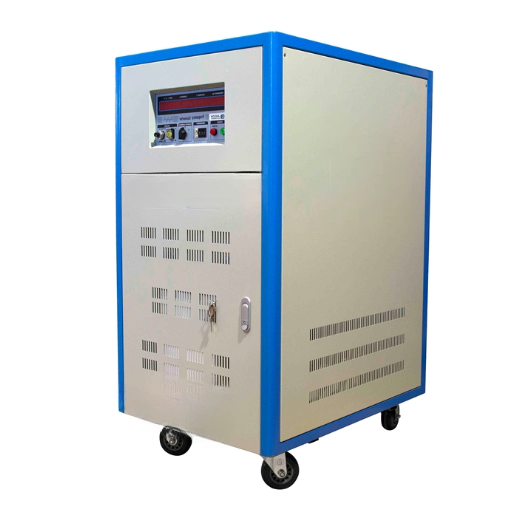
Frequency Converters
One of the most preferred ways to invert the power output such that 50 Hz is given instead of 60 Hz when it is conducted to an electric load is by the use of a frequency converter. The concept of a frequency converter is that of an equipment that uses advanced electronics to change the frequency of the mains but with the changes of the voltage intact. They are very competent in many different applications and also with many kinds of load which makes them very popular in the manufacturing industry and homes as well.
Motor-Generator Sets
Electrically, the MG set (motor generator operating series) is assembled from a motor that is driven by a 60Hz power supply, its shaft drives a generator that develops a 50Hz output. However, this method is more traditional and concerns the use of old-fashioned technologies that tend to break down into parts frequently; hence, it has been replaced in most modern industrial manufacturing applications.
Variable Frequency Drives (VFDs)
VFD is mainly designed for use in electric motors and is intended to adjust the frequency of the input power to the motor with the intention of achieving the desired speed of the motor. However, it has some limitation as it will work well in cases where the motor also needs speed control, to some extent, use of VFD is limited to the majority of the appliances.
Each of the methods has specific applications, and the choice should match the needs of the user, in terms of operational requirements, costs, and constraints. It is advised to seek the help of an electrical expert before doing anything regarding an electrical device.
Static Frequency Converters
Static frequency converters (SFCs) work on the basis of converting the electric supply to the desired frequency with the help of a micro operational electronic device that changes the input frequency of energy. Basically, it first converts the incoming AC power into DC utilizing an input rectifier circuit and finally converts the DC power back to AC at the desired frequency, which in this case is 50Hz.
State-of-the-art static frequency converters (SFC) contain durable materials such as Insulated-Gate Bipolar Transistors (IGBT) and featured control systems, which remarkably improve the product cost ratio of the efficiency compared to other power electronic devices which are neither modular nor scalable. These converters are utilized in fields where maintaining uniform performance is paramount, for example, industrial operations systems, commercial and naval, military bases as well as deck-operated airports.
Some modern SFCs are now fitted with extra features like reduced harmonics as well as stable voltage supplied and remote control accessibility. These developments are made in response to limiting energy use norms in force and also ensuring that all their modules can work nicely under the most stringent conditions. When working with SFCs, attention should be given to limits including rated power, speed regulation, and compliance with international standards. The appropriate solution significantly reduces energy utilization while enabling uninterrupted running.
Transformers for Voltage Adjustment
Probably the most important stage in any power supply design is where the input power supply is transformed from 60Hz to 50Hz for supply to the loads. The control and management of this transformation is achieved through power control or transformer adjustment. Almost all the power conversion apparatus uses transformers to step up and step down the voltage levels to meet the characteristics of the load or its items of supply. High efficient core laminates among other materials specially intended to minimize the losses of energy and to accommodate a variety of voltage ratings have been used in the new transformer constructions.
Speaking on a less technical note about successful frequency conversions, it is important that transformers and frequency converters are used together as using only a transformer would not have any impact on the variation of the input supply frequency. To mention just a few aspects for consideration: the transformer power, impedance, voltage class, and the cooling factor at reduced voltage. Generally, the heavy-duty uses require large transformers of approximately a few kVA to megavolt-ampere (MVA) transformers which integrate well with large mass machines. Furthermore, adherence to the requirements set forth by different organizations such as IEEE, IEC, or ANSI, is a guarantee of the system being steadfast, and thus the protection of the equipment and the consumers that are using the system even under different scenarios.
Energy is saved, also there is the protection of equipments against voltages and there is the incorporation of different power signatures for various equipments found in field. This is the reason why they moistly become useful in circumstances pertaining to varying the frequency of the application of the technology especially when globalization is the case and there are many activities related to manufacturing or supply channel across different countries.
Phase Frequency Converters
When the problem of regional standards arises with the electrical power system, the phase frequency converters play an important part as regards the capacities. In this case, this figure particularly deals with the conversion of 60Hz voltage to 50Hz voltage. These devices are essential for such conversion due to the application of high-tech current recurrent electronic elements which is such as inverters and rectifiers. Such frequency conversion retains provision of a fixed voltage (V) from AC supply at a stable frequency. And this requires less equipment dimensions, allowing electrical equipment like motors that require power inlet at specified frequency limit to be portable regardless of the country where it was disposed.
Above 95% energy efficiency is commonly known to be accomplished by current converters with very minimum distortion to the normal 3rd and 5th order harmonics. Their control sections have more enhanced capability for frequency modulation and provide protection to the other systems against overvoltage or undervoltage during conversion by using Spike either of these. Also, among the modern converters, certain have been made with options that allow a user to adjust the frequency and voltage settings to suit the current application. Indeed, such equipment is of utmost importance in areas with more stringent needs such as the aerospace, healthcare and manufacturing industries where accurate devices are a must.
Current research findings contain figures which show that the world’s demand for frequency inverters has been on a constant rise which is occasioned by increase in industrial activity and, moreover, the harmonization of equipment requirements across borders. In the current era of technology and eco-friendly power supply, the development of phase frequency converters does not lag behind offering better value and less pollution to the environment.
Section 04
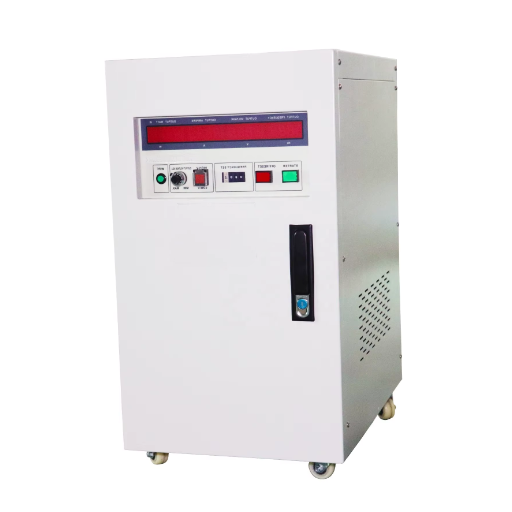
Key Considerations for Selecting a 50Hz to 60Hz Converter
- 1
Power Requirements: Make sure the converter fits in the appropriate wattage or kilowattage rating of the equipment so that you neither overpay for electricity nor overload the equipment.
- 2
Load Type: Recognize the nature of the load applied to the equipment whether it is resistive or reactive, e.g., heating or motor operated. This will further influence the need for a change in the power form.
- 3
Efficiency: Procure a control component that will most effectively utilize power and reduce circulation losses. It is especially important considering the controller ought to be switched on for a longer period of time.
- 4
Size and Portability: Depending on the location of the converter, it is important to decide whether easy of portage or compactness is of importance during installation and when being moved.
- 5
Voltage Compatibility: Make sure that the converter alternates both voltages, turning power into effective operations that your equipment requires.
- 6
Certifications and Compliance: Ensure the conformance of the rating to its intended purpose and functional limits, and certification relating to CE or UL are being followed without any issues as to performance and trustworthiness.
Comparative Analysis of 50Hz Frequency Converters
Among 50Hz frequency converters, there are few important points that should be emphasized to select the optimum solution for some specific activities. Such elements include such parameters as efficiency, rating of the controlled equipment, mix of passive equipment, as well as optional items with related features and strength safeguards.
-
01
Efficiency and Power ConsumptionWhen it comes to reducing the operational costs of frequency converters which are in use at 50Hz, the focus is more on improving energy efficiency. This can be made even better by using the latest models that feature various pieces of equipment such as variable frequency drives and power electronic converters. Checking out how far apart works of other manufactures per kilowatt are useful in order to come up with an economically profitable costing.
-
02
Power Capacity and Load HandlingThe frequency converters’ power rating varies greatly also, starting from the tiny converters meant for home or small industrial equipment to gigantic types of converters suited for duty-intensive equipment. It is only wise to choose the appropriate transformer for the particular source when loads to be connected peak so as not to overload or make the device fail due to overheating circumstances.
-
03
Input and Output Voltage FlexibilityState-of-the-art power conversion equipment is capable of covering a broad array of input and output voltage parameterization which makes them adaptable to prevailing conditions at different geographical locations and climate challenges. Power converters that come with adjustable voltage categories often offer an additional advantage of easy power variation whenever there are so many changes involved in the operation of the converter.
-
04
Durability and Design FeaturesA well-built structure, particularly from the heat sink and an advanced thermal performance, is another scope associated with effective power converters. Power converters that come with embedded heat management technologies that facilitate forced or liquid cooling, are a must-go for locations with harsh climatic conditions and for projects under intense workloads.
-
05
User Interface and ProgrammabilityQuality 50Hz power modified systems do come with easy to control functions that include good software or control panels to assist the user in programming the device well or monitor the metric ratings. There exist functions like remote monitoring, diagnosing problems from within the equipment, and error detection that assist in managing the performance of operator in cases of operational complications such that downtimes are cut off.
-
06
Cost vs. Performance Trade-OffAmong the elite converters available today, many people are more than willing to enjoy better sounds, however, the question of their price remains a significant one. Cost per performance analysis which involves the cost of buying, operating and maintaining the equipment is very important in ascertaining the viability of a particular investment over the years.
When each authority decides all these factors relative to its objectives, it helps them in defining a sound foundation of selection avoiding a system which would be technically vulnerable economically or in line with those objectives.
Solid State vs. Rotary Frequency Converters
| Parameter | Solid State Converters | Rotary Frequency Converters |
|---|---|---|
| Technology Type | Semiconductor-based | Electromechanical-based |
| Efficiency | High | Moderate |
| Size and Weight | Compact, lightweight | Large, heavy |
| Maintenance Requirements | Minimal | Periodic maintenance needed |
| Noise Level | Low | High |
| Lifespan | Long | Moderate |
| Operating Temperature Range | Limited | Broad |
| Conversion Accuracy | High | Moderate |
| Initial Cost | Relatively high | Moderate |
| Operational Cost | Low | Relatively high |
| Suitability for Sensitive Loads | Excellent | Moderate |
| Durability in Harsh Environments | Moderate | High |
| Downtime Risk | Low | Higher |
| Energy Efficiency | Superior | Lower |
| Scalability | Easily scalable | Limited |
Section 05
Practical Considerations for Implementation
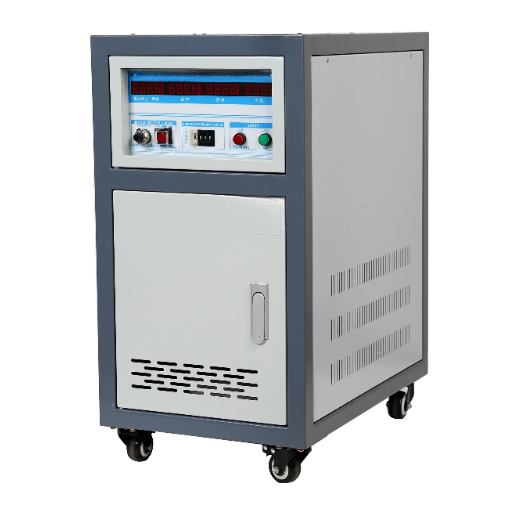
When considering the design of a 60 Hz to 50 Hz inter-converter, it is pertinent to observe the functional requirements. The first and primary consideration is what kind of load the converter will run. Sensitive or control equipment might require conversion precision and rate considerably superior to those of “standard” converters. Furthermore, one has to define the level of energy efficiency one will achieve with the particular solution, i.e., how efficient is the solution in terms of cost of energy operation that could be sequential over time.
Especially the environmental conditions affect the decision-making process. In adverse weather or unpredictable conditions, for instance, more attention is given to the high durability of the converters as this lessens the time & volume of maintenance and reduces the risk of downtime. Scalability is an important consideration – systems that can expand in the future must be preferred unless the value of the load is unchanged. And last, check that the design is compatible with the existing power, else problems may occur for the other installations or for the operation of the power.
Installation Guidelines for Frequency Converters
-
1
Site Preparation
The first step is to assess the given place where you need to do an installation which includes that is free from dust and moisture which could reduce the speed and efficiency of the system. Ensuring even ventilation and systematic airflow in the selected location is important for maintenance purposes. It is important that there is a certain available space for safety and convenience so that the apparatus may not occupy the whole area when installing it.
-
2
Foundation and Mounting
Foundation and mounting refers to any surface or mounting location that is strong enough and steady enough to support the weight of the frequency transmitter that reduces any possible risk of the transmitter vibrating excessively and causing damage. Manufacturer-approved mounting equipment, including mounting brackets as well as mounting fixtures, should be held in place on as not to constrict adequate movement the surfaces or areas where they are being used.
-
3
Electrical Connections
Connections that use electrical energy are vital, and users who employ such energy must make sure that the electrical network they are connecting the converter to is compatible or not with the converter in respect to phase, voltages and loads without omission. Cables with appropriate electric capacity and heavy gauge should be chosen to ensure uniform distribution of heat across the wires and undistorted voltage supply to the device.
-
4
Control System Integration
If the system has to be integrated into larger systems controlling other devices such as automation systems and control systems, configure the communication protocols such as Modbus, CAN or Ethernet, will be used as required. Also, ensure that the relevant control input and output interfaces are connected as required by the manufacturer to avoid any disruptions in operations and coordination of the system.
-
5
Testing and Commissioning
After carrying out the installation, tests of the system should be done, most importantly the checks for indications and diagnosis of the converter when working in different operational modes. These reasons should also address checking of the stability of the output frequency, regulation of temperatures and evaluating protection measures in the form of possible shutdowns like over current or overload.
-
6
Documentation and Training
Dress up the workers with a comprehensive write up which will also be documented to include wire connections, operation principles and maintenance activities of the commissioned system. Organize classes to make sure that the staff members well know how to do a certain job and take care of it’s after effects undertaking in their own capacity rather than making up troubling complaints on the using of resources.
Testing and Validation of Converted Equipment
It is important that proper examination and evaluation is carried out in order to ensure the reliability, effectiveness, and safety of equipment that has been modified to operate on a 60 Hz rather than 50 Hz frequency. Such is the time when a comprehensive check is performed under specific working conditions. Furthermore, major focuses are needed in evaluating heat balance, assessing parameters to determine voltage input and output, ensuring the shape of that waveform conforms to the required standards, checking for any leakage of harm, and measuring the temperature for different load sizes. There has to be the use of instruments which have been correctly calibrated such as power analyzers and oscilloscopes, to accurately measure these electrical quantities.
Load testing should make up another section in the testing phase because this is where we really simulate what operational conditions will look like in a real world scenario. This comprises for example different levels of difficulty you want the equipment to work efficiently, beginning with no load, easy to high and max load hard. It includes checking for correct performance of the system and locating any potential loss of efficiency within it. It is very necessary to concentrate on the mechanical parts, especially motors to change the cleaning frequency without any other problems for the changes because it changes the speed of rotation and mechanical stress.
Section 06
Frequently Asked Questions
Reference Sources
- 01
IEEE Xplore — Power converter for 60 Hz-400 Hz bilateral power conversion. Read on IEEE Xplore → - 02
MDPI Energies — Assessment of human exposure to low-frequency electromagnetic fields in modern power systems. Read on MDPI Energies →
